

Why I Left Traditional Work? (Part 1)
Exploring the highs and lows after my break up with traditional work

Welcome to the Slow Work & Business Series!
This initiative is a heartfelt exploration of how work can be something we love and enjoy—a part of life that doesn’t have to drain us or demand endless hours of hustle.
I’ve been on a journey to discover how we can bring mindfulness, softness, and a sense of ease into our work, instead of constantly feeling rushed or overwhelmed. This series is my way of documenting the projects I take on, the lessons I learn, and the highs and lows I face as I unlearn the habits of a once stressed-out, always-rushing corporate self.
If you’ve stepped away from traditional work life and are searching for someone who’s been on a similar path, I hope my reflections can offer you some insights, tips, or even just a sense of companionship. This is a space for all of us who are redefining work on our own terms—and doing it with heart. Let’s figure it out together.
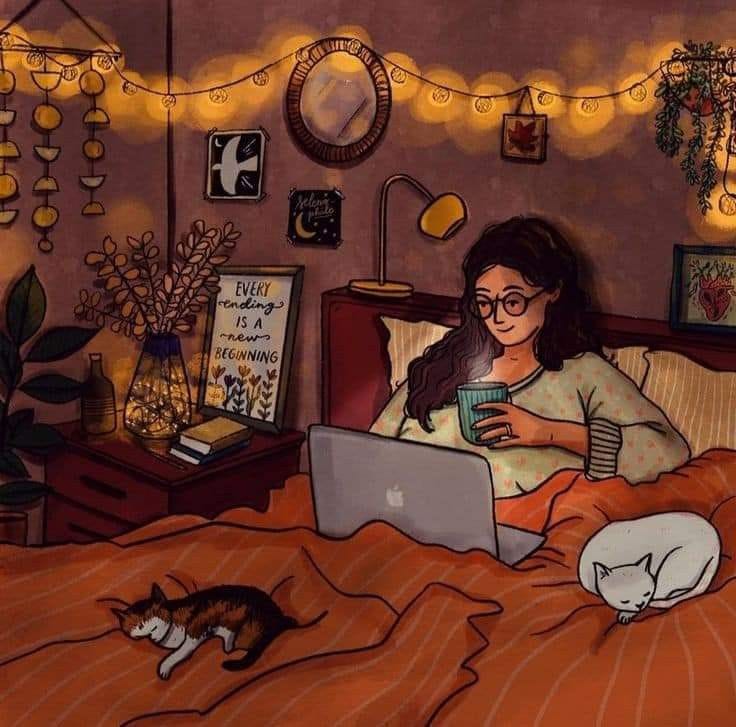
After I quit my 9-to-5 job at the ad agency, one thing I was certain of was that I would never go back to working full-time. I decided to look for a job that required me to show up for only a few hours, didn’t take a significant mental toll, and could still pay my bills. It might not be enough to buy me a car, but it could keep me afloat for a long time, giving me the freedom to enjoy my time and space. I’ve realized that this freedom is invaluable.
Looking back, I’m glad I got the opportunity to work a corporate job or jobs because it taught me so much—mostly about what not to do in life when it comes to work. I learned that I don’t want to dedicate my entire life to a singular focus on monetary gains or fill my life with materialistic possessions. While it’s great if others find satisfaction in that, for me, being wealthy is no longer the ultimate goal. A life rich with experiences, freedom, and expansion holds far more value for me.
I’m one of those people who love what they do, and as I reflect on my time in the advertising agency, I see how creative people often join it out of a love for creativity. However, they often adjust to long working hours and the mental strain that comes with it. It’s like a barter system—sacrificing well-being for pursuing what you love. I loved what I did but I didn’t love how I did it. After my time there, I became resolute about creating and owning my freedom, no matter how long it took.
I won’t say it’s been an easy ride or that I’ve achieved everything I wanted. I’m still working toward certain milestones, but I can say this: if a friend now needs my help, I can be fully present for them. The gift of time I’ve gained is something I treat as a privilege—not just for figuring out work but also for exploring and learning about myself.
Non-traditional work or freelancing or being a solopreneur comes with its own challenges, but it has brought immense changes to my life—changes that have reshaped how I view work, success, and happiness.
What non-traditional work has given me
Freedom. That’s the biggest win. I have control over my time. I don’t have to report to anyone, and if I’m unwell, I can postpone my work without seeking approval. I can take a week off without endless back-and-forth emails.
I own my schedule. If I want to work all night and sleep all day, I can do that. I don’t feel guilty about not working because, in reality, I am always working—on projects, ideas, and myself.
My creativity has flourished. The way I approach problems has shifted from avoidance to curiosity. This mindset has brought joy back into my work. I’ve learned that the process, not just the output, is what matters most. I now embrace a work approach that is mindful, slow, reflective, and curious.
I’ve discovered so much about myself. Working in traditional jobs rarely gave me time for self-exploration. With non-traditional work, I’m constantly learning—about what brings me joy, my strengths, and the things I should avoid.
I am expanding. I’m no longer limited to one income source. I have multiple streams of income, different clients, and the flexibility to take on creative projects. Additionally, I have mental space and time to build a wealth system based on my values.
Most importantly, I’ve found purpose. I’ve transitioned from dreading Monday mornings to waking up slowly and mindfully, excited about my work. Sometimes, I can’t wait to start.
Since quitting, I’ve experimented with so many things—hundreds, honestly—and every experience has added value. I’ve reframed rejections and failures as opportunities to explore and grow.
I’ve also discovered the depths of my creativity. I have been writing since I was 16, but since leaving traditional work, I’ve published far more. I’ve started drawing and making creative travel journals. These are things I never had the energy or time to pursue before.
What I miss about traditional work
The people. This is the biggest one. I loved brainstorming sessions, working on campaigns with a team, and collaborating with my design partner. The camaraderie of working in a team is something I truly miss.
The consistency of income. Knowing exactly how much money I’d earn and being able to plan my expenses brought a sense of stability. In non-traditional work, income can be unpredictable—some months are great, others lean. However, this can change as you build more passive income streams.
Earning a steady, decent income meant I could travel more freely and worry less about money.
Getting paid even when I was sick.
Meeting deadlines because my work impacted so many other people—it motivated me to stay on track.
What I don’t miss about traditional work
The Monday blues. I now love what I do, how I work, and who I work with. I no longer dread Mondays—or Fridays, for that matter.
Having a boss. I cherish my freedom and the ability to make my own decisions.
Sick days with work emails piling up.
Long hours without overtime pay.
Working on projects that clashed with my values.
Dealing with bosses who had anger issues.
Having my creative ideas dismissed in favor of what someone else wanted.
Spending unnecessarily on commuting.
Spending money on office parties that I didn’t enjoy.
Have I made it?
Not yet, but I’m getting there. I’ve ticked many boxes, but I’m still working on meeting my revenue goals and improving my consistency.
Based on my experience, whatever work lifestyle you choose—traditional or non-traditional—it’s essential to align it with your values and how you want your life to unfold.
If you value stability and security, traditional work might be for you. If freedom and flexibility resonate more, non-traditional work could be your path. Either way, your choice should empower you to live a life that feels authentic and fulfilling to you.
Read The Whole Series Below
Part 1: Why I Left Traditional Work
Part 2: Building A Life After Traditional Work
Part 3: Building My Work Boundaries
Part 4: How To Prepare Life After Traditional Work
Part 5: Why Slow Work makes More Sense
Part 6: Lessons From My First Meditation Course
Part 7: Years of Navigating Work Rush & Anxiety
Part 8: How I Am Learning To Trust The Process
Part 9: The Quiet Math of Worth: Self-Employment Reflections
Part 10: The Last One: Lessons from a Life-Designed Business
Let’s connect!
If you’re walking the self-employed path, or even just dreaming about it, I hope this postcard reminds you that you’re not alone. You’re not behind. You’re just building something honest, and that takes time.
And if you’re starting out or maybe experimenting with freelancing, teaching, or offering something personal to the world, here’s something to help you get going gently: Things I Created For Freelancers. I have created multiple things whatever has helped me over the years. Check it out, maybe you will find something that you will like.
It’s my dream to work with a therapist who is also has a Yoga business. If you know anyone out there looking for help with marketing, please do let them know that I am here, dancing and jumping up and down my chair waiting to meet them.
Btw, here’s my beloved, if you would like to drop by→ Kaustubha

I hope you’re enjoying Kaus’ Postcards. I started this publication to cultivate a writing practice and connect with people through my writing. I’ve decided that after my 100th post, I will open the publication for monetary support (meaning: a few posts will be reserved for paying members) until then it remains free - in hopes that this objective will push me to write consistently.
Currently at 64/100.
I made a similar decision years ago and never looked back!
Thank you so much for writing this. I too made a similar decision and it’s really necessary for me to hear the journey of another like-minded soul.